How to Ensure Safe Recovery After No-Needle Vasectomy
Understanding No-Needle Anaesthesia Vasectomy
A no-needle anaesthesia vasectomy is an advanced technique that uses a specialised device to deliver anaesthetic without a traditional needle. This method minimises discomfort during the procedure and is offered by many modern clinics. Despite the less invasive anaesthesia approach, proper post-procedure care is essential to ensure safe and smooth vasectomy recovery.
No-needle vasectomy provides a reliable, minimally invasive form of permanent contraception while reducing patient anxiety associated with needles. Understanding what to expect during recovery helps patients heal efficiently and minimise complications.
Immediate Post-Procedure Care
After the procedure, the body begins the initial healing phase. Following the recommended care steps is crucial for comfort and safety.
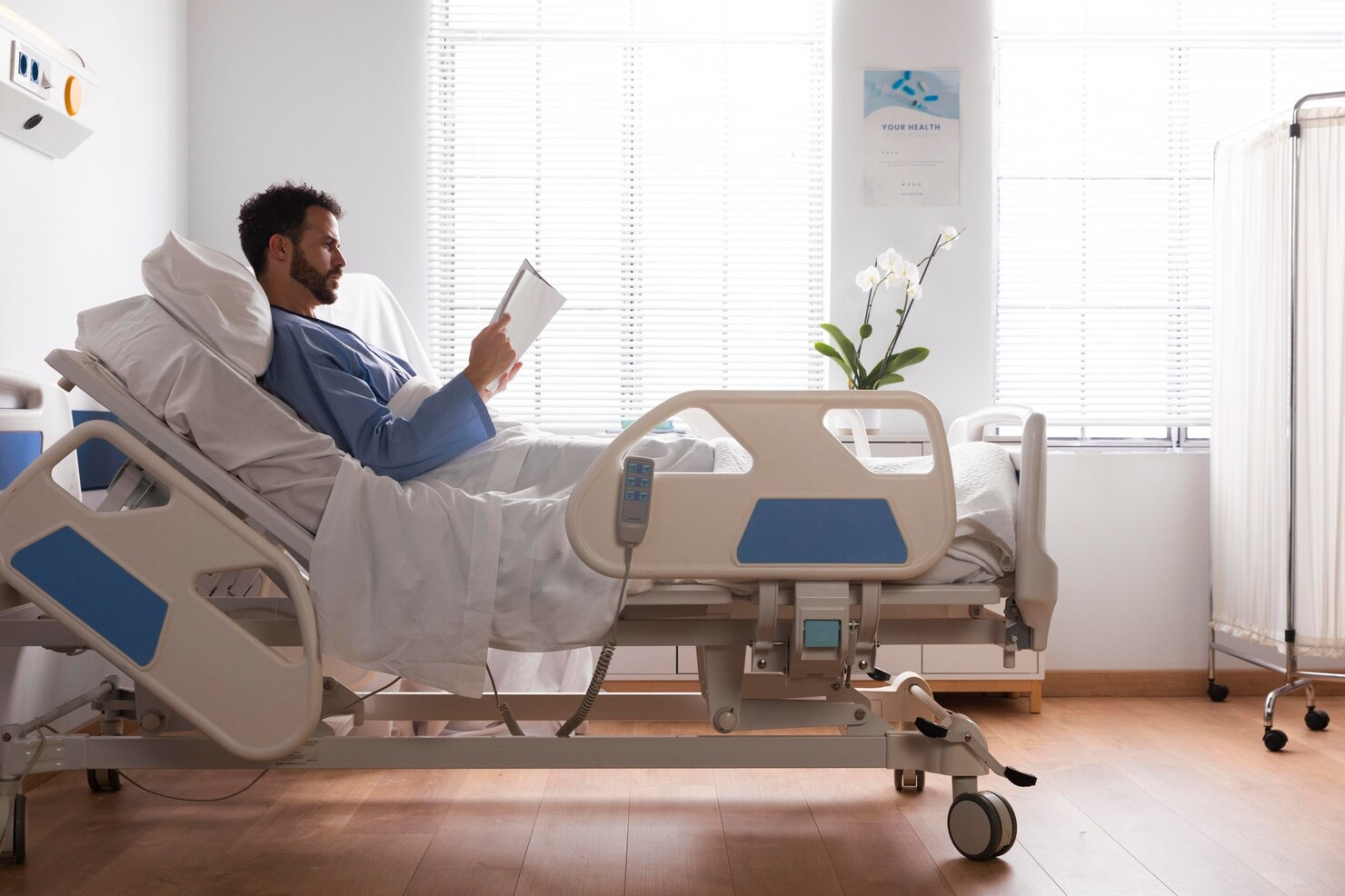
Rest and Support
- Rest Period: Patients are advised to rest for the first 24–48 hours. Avoid strenuous activity or heavy lifting to reduce the risk of swelling or bleeding.
- Supportive Underwear: Wearing snug, supportive underwear or a scrotal support band helps minimise movement and provides comfort during recovery.
Managing Discomfort
- Pain Relief: Mild discomfort is common. Over-the-counter pain medications such as paracetamol or ibuprofen can help manage soreness.
- Ice Packs: Applying ice packs for 10–15 minutes at a time can reduce swelling and relieve tenderness.
Even though the anaesthesia method is needle-free, mild pain and pressure may still be experienced in the first few days.
Monitoring for Complications
Patients should watch for any unusual symptoms, including:
- Excessive swelling or bruising
- Severe pain not relieved by medication
- Signs of infection, such as redness, warmth, or discharge
If any concerning symptoms appear, contact the clinic promptly.
Activity and Lifestyle Considerations
Proper activity management supports safe healing and reduces the risk of complications.
Physical Activity
- Avoid heavy lifting, vigorous exercise, or activities that strain the groin for at least a week or as advised by the surgeon.
- Light walking is encouraged to maintain circulation without putting pressure on the surgical site.
Sexual Activity
- Refrain from sexual activity, including ejaculation, for at least 7–10 days or as directed.
- Sperm may remain present for several weeks after the procedure, so alternative contraception should be used until the follow-up semen analysis confirms sterility.
Hygiene and Wound Care
- Keep the area clean and dry.
- Follow any instructions for gentle washing and dressing changes.
- Avoid soaking in baths or swimming until the surgical site has fully healed.
Follow-Up and Semen Testing
Even after an uneventful recovery, follow-up is a critical part of ensuring the procedure’s effectiveness.
Post-Procedure Appointments
Most clinics schedule a follow-up visit to examine the surgical site, check healing progress, and address any patient questions.
Semen Analysis
Since sperm can remain in the vas deferens for several weeks, patients are usually required to provide one or more semen samples to confirm sterility. It is essential to continue using alternative contraception until the lab confirms the absence of sperm.
Tips for Optimising Vasectomy Recovery
Safe recovery after a no-needle vasectomy relies on proactive care and attention to detail.
Manage Pain and Swelling
- Use over-the-counter pain relief as needed.
- Apply ice packs intermittently for the first 24–48 hours.
Rest and Elevate
- Rest during the initial 1–2 days.
- Elevate the scrotal area slightly when lying down to reduce swelling.
Avoid Strain
- Do not lift heavy objects or participate in intense physical activity too soon.
- Gradually reintroduce activity according to your clinic’s guidance.
Maintain Cleanliness
- Gently clean the area to prevent infection.
- Avoid scratching or applying excessive pressure.
Monitor Symptoms
- Mild bruising and swelling are normal, but persistent pain or unusual signs require medical attention.
When to Contact Your Clinic
Even with careful care, certain symptoms may indicate complications:
- Increasing pain or swelling
- Fever or flu-like symptoms
- Pus or unusual discharge from the incision
- Persistent bleeding
Contacting your vasectomy clinic promptly ensures any issues are addressed before they escalate.
Long-Term Considerations
No-needle vasectomy offers permanent contraception with minimal recovery discomfort. Long-term success depends on:
- Confirming sterility through semen analysis
- Following post-procedure instructions
- Attending follow-up appointments
Many patients experience minimal long-term discomfort, and most return to normal activities within a week or two.
Final Thoughts
A no-needle anaesthesia vasectomy is a safe, effective, and minimally invasive option for permanent contraception. Proper attention to vasectomy recovery ensures healing is smooth, discomfort is managed, and complications are minimised. Rest, supportive care, hygiene, and follow-up appointments are all essential steps in achieving a successful recovery. By following these guidelines, patients can enjoy the benefits of a low-risk, permanent contraceptive procedure with confidence and comfort.
Disclaimer
The information provided in this article is intended for general educational and informational purposes only and should not be considered medical advice, diagnosis, or treatment. No-needle vasectomy procedures, recovery experiences, and post-operative care may vary depending on individual health conditions and clinical circumstances. Always consult a qualified healthcare professional, urologist, or vasectomy specialist for personalised medical guidance before undergoing any medical procedure and for advice specific to your recovery. Do not ignore or delay seeking professional medical advice based on information contained in this article. If you experience severe pain, signs of infection, or unexpected complications, seek immediate medical attention.