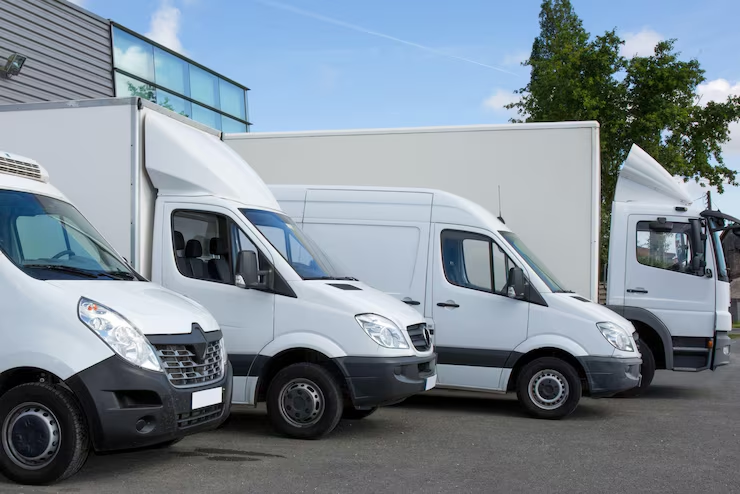
How Truck Hire in Sydney Differs from Van Hire in Perth
Hiring the right vehicle is an important decision when transporting goods, relocating, or managing business logistics. While truck hire in Sydney and van hire in Perth may appear similar at first glance, they are designed to meet different transport needs based on load size, distance, infrastructure, and usage purpose. Understanding these differences helps individuals and businesses choose the most practical and cost-effective option while ensuring safety and efficiency.
Understanding Transport Needs Across Different Cities
Australia’s cities vary in layout, population density, and transport demands. Sydney is a large metropolitan city with heavy commercial activity, while Perth is more spread out with different logistical requirements. These differences influence how truck hire in Sydney and van hire in Perth are commonly used.
Truck hire in Sydney often supports large-scale transport tasks, commercial deliveries, and construction-related work. Van hire in Perth is more commonly used for smaller moves, local deliveries, and flexible short-distance transport. The choice between a truck and a van depends largely on the volume of goods, travel distance, and operating environment.
What Truck Hire in Sydney Typically Involves
Truck hire in Sydney is usually associated with heavier loads and higher-capacity transport. Trucks are built to carry large quantities of goods safely and efficiently, making them suitable for commercial and industrial purposes.
Vehicle Size and Load Capacity
Trucks available for hire in Sydney generally offer significantly higher load capacities than vans. They are designed to transport pallets, machinery, building materials, or full household contents in a single trip. This makes them suitable for businesses that require regular bulk transport or individuals undertaking large relocations.
Commercial and Industrial Use
Truck hire in Sydney is commonly used by businesses involved in logistics, retail distribution, construction, and warehousing. The city’s high level of commercial activity creates a strong demand for trucks that can handle frequent loading, unloading, and long operating hours.
Licensing and Driving Requirements
Driving a truck may require a specific licence depending on the vehicle’s size and weight. Individuals considering truck hire in Sydney need to ensure they meet licensing requirements and are comfortable handling larger vehicles in busy traffic conditions.
Urban Driving Conditions
Sydney’s dense traffic, toll roads, and limited parking can make truck operation more complex. Drivers need to plan routes carefully, consider height and weight restrictions, and allow extra time for loading and unloading in congested areas.
What Van Hire in Perth Commonly Offers
Van hire in Perth is typically focused on flexibility, convenience, and ease of use. Vans are well suited to smaller loads and local transport tasks, making them a popular choice for both personal and small business use.
Compact Size and Manoeuvrability
Vans are smaller and easier to drive than trucks, especially in suburban areas. In Perth, where distances between locations can be longer but roads are generally less congested, van hire provides a practical balance between capacity and ease of handling.
Suitable for Local and Short-Distance Transport
Van hire in Perth is often used for local moves, furniture transport, trade work, and deliveries within the metropolitan area. Vans are ideal for situations where multiple trips may be acceptable or where access to residential streets and driveways is required.
Lower Entry Requirements
Most vans can be driven with a standard car licence, making them accessible to a wider range of users. This is particularly useful for individuals who need a transport solution without additional licensing or training.
Cost-Effective for Smaller Loads
Van hire generally costs less than truck hire due to smaller vehicle size, lower fuel consumption, and simpler insurance requirements. For those with limited cargo, this can be a more economical option.
Key Differences Between Truck Hire in Sydney and Van Hire in Perth
Load Capacity and Purpose
The most significant difference lies in capacity. Truck hire in Sydney is designed for heavy-duty transport and large volumes, while van hire in Perth supports lighter loads and flexible use. Choosing the wrong option can lead to inefficiencies, such as needing multiple trips or paying for unused space.
Operating Environment
Sydney’s busy roads and commercial zones make truck hire more suitable for experienced drivers and structured logistics. Perth’s more open layout allows vans to operate efficiently across suburban and regional areas without the same level of congestion.
Duration of Hire
Truck hire in Sydney is often arranged for longer periods, especially for business use or major relocations. Van hire in Perth is commonly booked for short-term use, such as a day or weekend, depending on the task.
Fuel and Running Costs
Trucks consume more fuel and may incur additional costs such as tolls and higher insurance premiums. Vans are generally more fuel-efficient and easier to maintain, which can be an important consideration for budget-conscious users.
Equipment and Features
Trucks often include loading aids such as tail lifts, ramps, and tie-down systems to handle heavy cargo safely. Vans may offer basic securing options but are not typically equipped for industrial-scale loading.
Choosing the Right Option Based on Your Needs
When Truck Hire in Sydney Is the Better Choice
Truck hire in Sydney is more suitable when transporting large quantities of goods, handling heavy equipment, or completing commercial deliveries. It is also ideal for full house moves or business operations that require consistent and reliable capacity.
When Van Hire in Perth Is the Better Choice
Van hire in Perth works well for smaller moves, trade work, event transport, and local deliveries. It offers flexibility, ease of driving, and cost savings for tasks that do not require a large vehicle.
Planning and Preparation Considerations
Assessing Cargo Volume
Accurately estimating the size and weight of items helps determine whether a truck or van is required. Overestimating can lead to unnecessary costs, while underestimating can cause delays and additional trips.
Understanding Access and Parking
Consider where loading and unloading will take place. Trucks may face restrictions in residential areas or tight spaces, while vans can usually access a wider range of locations with minimal difficulty.
Scheduling and Time Management
Allow sufficient time for loading, travel, and unloading. Trucks may require more time due to size and handling, while vans can often complete tasks more quickly in local settings.
Safety and Responsibility
Both truck hire in Sydney and van hire in Perth require responsible operation. Drivers should be aware of load limits, secure cargo properly, and follow road regulations. Safe driving practices reduce the risk of damage, delays, and accidents.
Final Thoughts
Truck hire in Sydney and van hire in Perth serve different but equally important transport needs. Trucks offer strength, capacity, and efficiency for large-scale and commercial tasks, while vans provide flexibility, accessibility, and cost-effectiveness for smaller and local transport requirements. By understanding the differences in vehicle size, usage, costs, and operating conditions, individuals and businesses can make informed decisions that support smooth and efficient transport outcomes.
Disclaimer
The information provided in this article is for general informational purposes only. It is not intended as professional, legal, financial, or logistical advice. Vehicle hire requirements, licensing rules, costs, availability, and regulations may vary depending on location, provider, and individual circumstances. Readers are advised to check with relevant truck or van hire companies, licensing authorities, and local regulations in Sydney, Perth, or other regions before making any hiring or transport decisions. The author and publisher accept no responsibility for any loss, damage, or inconvenience resulting from reliance on the information contained in this article.